Current News
Learn What's New at Old World Foundation
The sun has set on Sunset Soiree 2026!
We are overcome with gratitude for all of our amazing donors who allowed us to exceed our goal and raise over $68,000 for current and future projects & programs at Old World Wisconsin.
We want to thank everyone who donated and attended the event. We are grateful to all the businesses who donated items & experiences for our raffles and silent auction. Our sponsors and volunteers are the best and we couldn't host this fundraiser without them.
SAVE the DATE for next year’s Sunset Soiree - Saturday, August 21, you don’t want to miss it!
On September 24...
We welcomed many of our Friends to our Annual Meeting and End of the Year Celebration at Old World Wisconsin. We ate, drank, mingled with our Friends, met our new trustees and heard about how the generosity of our Friends and Corporate Partners enhanced programs at Old World Wisconsin in the last fiscal year.
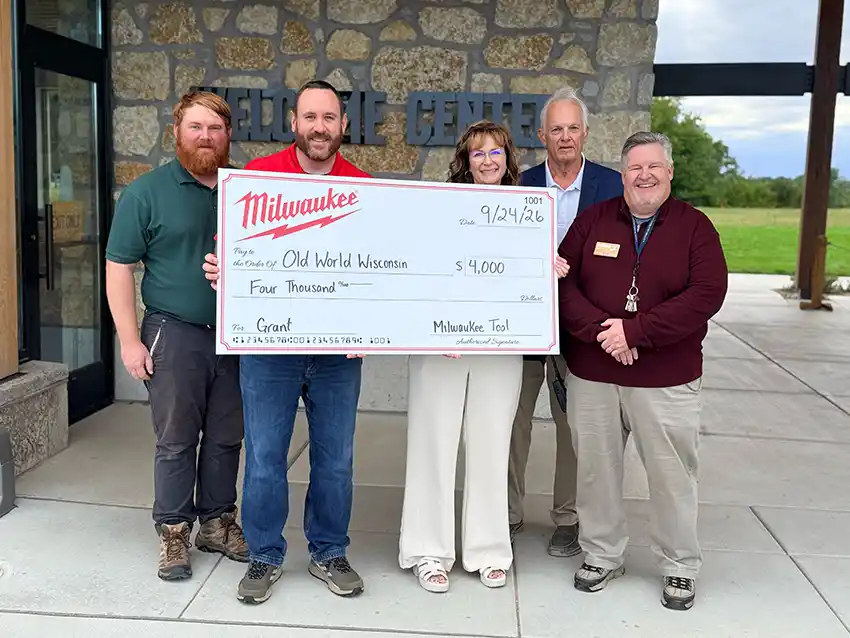
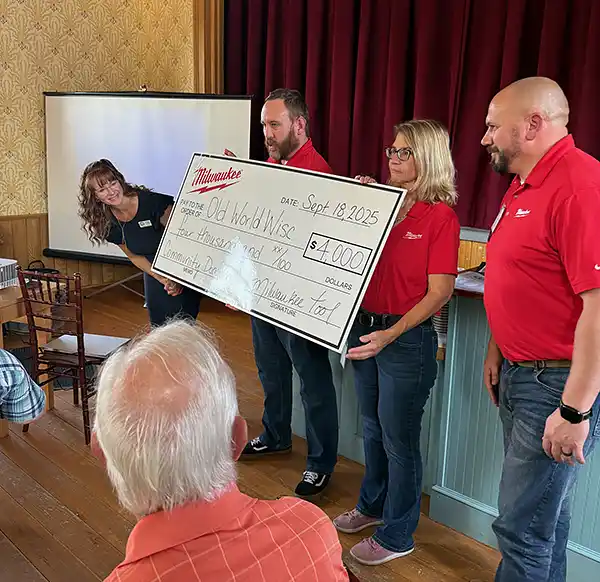
To our delight, Milwaukee Tool-Mukwonago delivered their donation of 16 tools and other items for Old World Wisconsin. In addition, they presented $4000 for Old World Wisconsin to use as needed to complete projects or enhance programs.
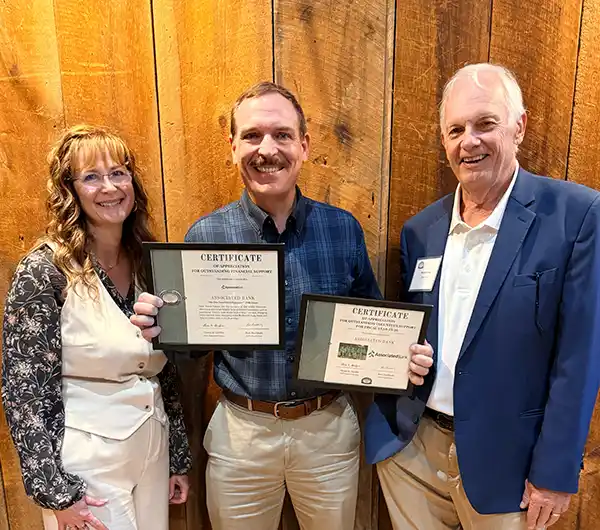
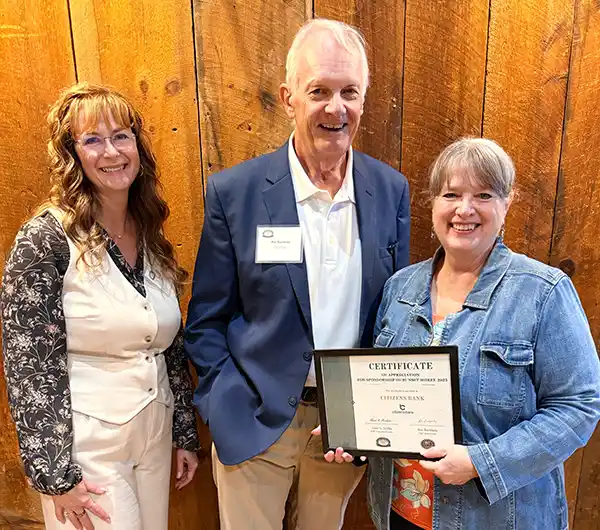
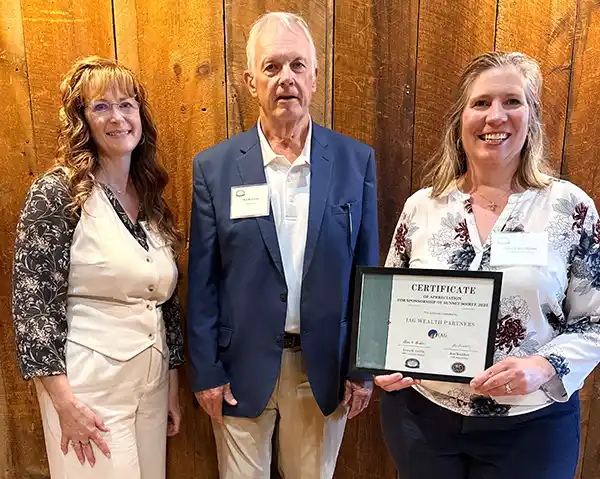
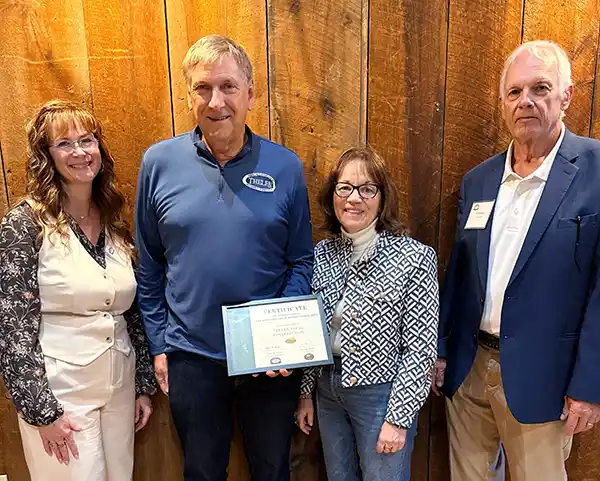
Additionally, we recognized our other corporate partners in attendance: Associated Bank, Citizens Bank, IAG Wealth Partners and Thelen Total Construction. For more information on our corporate partner program, visit our Corporate Patners page.
We are Sad to Say Goodbye
We are sad to say “goodbye” to two of our trustees as their time on our board comes to an end: Beth Heaney and Jennifer Lasky. We appreciate their service and wish them well.
New trustees who began their term at our Annual Meeting include: Ellen Hayward, T. Kurt Knoerl, Jeri Strasser and Jamie Watkins. To see our entire Board of Trustees, visit the Staff and Board of Trustees page.
New Partnership
At our annual meeting, we introduced our new partnership with Waukesha County Community Foundation. Located in Waukesha, this foundation meets local challenges and improves the quality of life in our community. In June, Old World Foundation moved the 8 endowment funds we manage to be invested through the Waukesha County Community Foundation. These funds are available for the OWF Board of Trustees to use to fund projects and programs for Old World Wisconsin or our foundation. We are actively working to grow these funds to support Old World Wisconsin in perpetuity. For more information on Planned Giving and/or how to donate to these funds, visit the Planned Giving page.
Old World Wisconsin’s
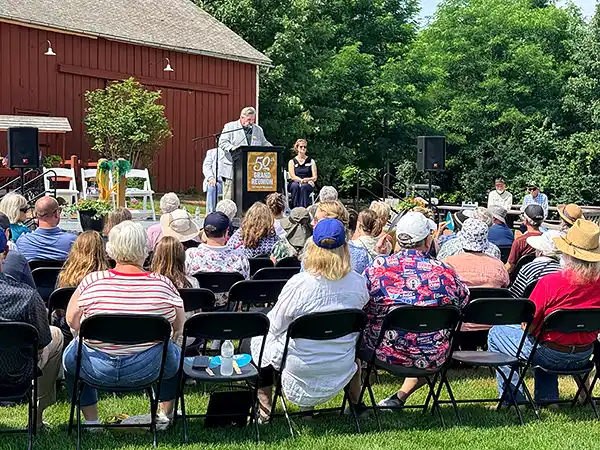
50th Anniversary
Old World Wisconsin’s
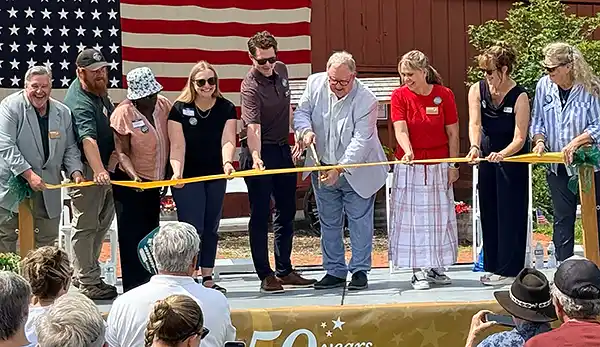
New Welcome Center Ribbon Cutting
Sunset Soiree Fundraising Celebration
Saturday, August 22
OWF Annual Meeting & End of Year Celebration
Thursday, September 24, 4:30 - 6:00pm
Home For The Holidays
December 5 & 6, 12 & 13